Enduring Gulag Like Conditions in Our County Jail and Seeking Support for Change

Updated: Feb 9
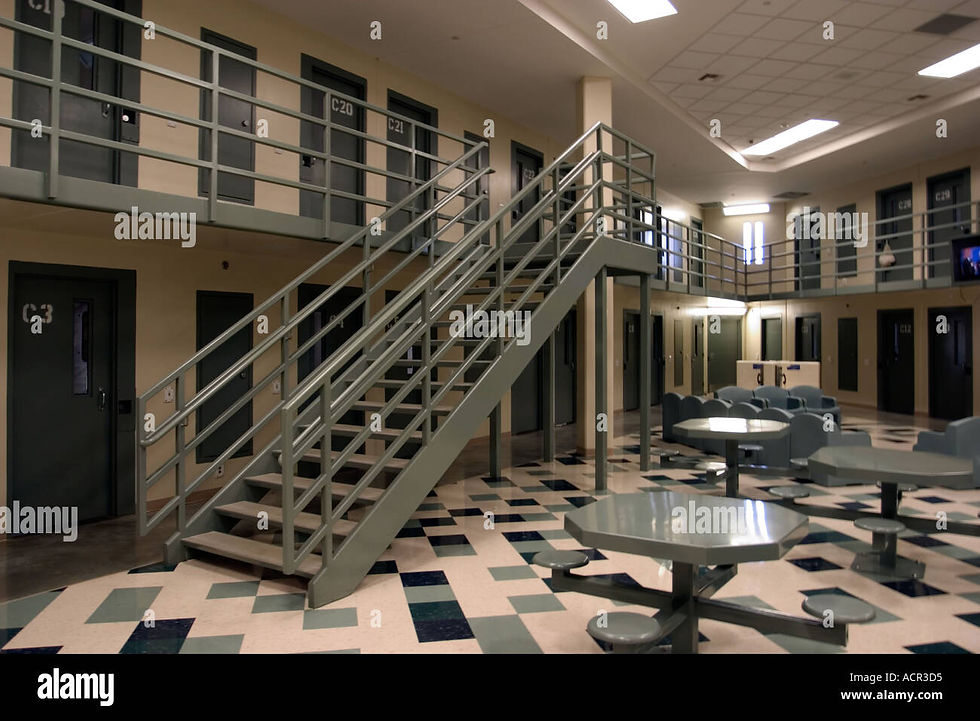
typical POD like cell block, very similar design to Clinton counties A-D pods.

A google earth view zoomed in and labeled where Pods and cellblocks are approx located.
Living inside our county jail feels like being trapped in a modern-day gulag. The conditions are harsh, the environment punishing, and the hope for change seems distant. This post shares a personal story of enduring these jail conditions and reaching out to those who might help bring about reform. It is a call to understand the reality behind the walls and to support efforts that can improve life for those incarcerated.
The Reality of Jail Conditions
The jail is understaffed, and under-resourced. Cells are cold, the air is stale, and the lighting is harsh and unrelenting, outside your cell, the sounds are typically loud, though some guards demand quiet, it changes per shift at times. These conditions create a sense of despair and isolation that weighs heavily on everyone inside.
Punishment here goes beyond serving time. It seeps into every aspect of daily life. The lack of privacy, the constant noise, and the limited access to basic hygiene make it difficult to maintain dignity. Medical care professionals are distant, uncaring, acting slow and often inadequate, leaving many to suffer silently. Any that care get chewed up and spit out by an uncaring admin.
One of the most disturbing aspects is the presence of Fight Clubs. These are not official or sanctioned but arise from the rogue behaviors of upper-level managers desiring to assist with the coercive ambience, thus by their actions and designs they are increasing the desperation and frustration of inmates. The results play out before cameras, likely get noted and wrongly explained away, thus they ultimately also serve as a brutal outlet for anger, drug dealing, enforcement and a way to establish dominance or protect oneself. These fights are dangerous and often escalate tensions rather than resolve them.
Coping Mechanisms: Games and Small Escapes
In such a grim environment, inmates look for ways to cope. Simple games become a lifeline. Card games, board games made from scraps, or even mental puzzles help pass the time and provide a brief mental escape. These activities foster small communities and moments of normalcy amid chaos.
However, these games are often limited by the jail’s strict rules and lack of resources. Access to recreational materials is scarce, and guards may confiscate items arbitrarily. This adds another layer of frustration and punishment, as inmates lose one of the few outlets they have.
The Struggle to Communicate and Seek Help
One of the biggest challenges is getting the outside world to understand what life inside the jail is like. Communication is tightly controlled. Letters are basically only free to those without commissary monies, phone calls are expensive and monitored, and visits are limited.
Despite these barriers, inmates try to reach out. They write letters to family, friends, and advocacy groups, hoping to raise awareness and find allies. Some manage to share stories that expose the harsh realities and call for reform.
This communication is vital. It connects those inside with people who can influence change—lawyers, journalists, human rights organizations, and local officials. Without these connections, the cycle of neglect and abuse continues unchecked.
Below is a February 20, 2024, letter to Plattsburgh's Press Republican editor Joe L. detailing specific incidents and inmate actions and much is on camera.


Examples of Neglect and Punishment
Several incidents highlight the severity of jail conditions:
Medical neglect: I, in medical isolation the first few weeks, a 59 year old diabetic, waited weeks still to see nursing. Was basically laughed at , by contracted doctor as I complained of the severely worn mattresses preventing my sleep, hurting my skeleton, raising my cortisol levels. eventually I get threatened with forced feeding because I develop my own health planning.
Sanitation issues: Toilets (OSB1-2) dripped sewage thru rot holes overflow, and showers are infrequent, leading to poor hygiene. Sewer gases emanating thru maintenance rooms located between cells. even daily pouring of cleaning fluids down floor drains wouldnt help with strong odors.
Punitive isolation: Solitary confinement is used excessively, sometimes for minor infractions, worsening mental health. I got charged for daring to pass a note ( a copy of the nurse order to force feed me) in an attempt to pass the word as to why they placed me in a 3 man block with child perverts.
Lack of rehabilitation: Educational and vocational programs are minimal or non-existent, limiting chances for personal growth.
These examples show that punishment extends beyond the sentence. It becomes a daily reality that breaks down individuals physically and mentally.
Why Change Is Necessary
Improving jail conditions is not just about comfort. It is about human rights, dignity, and the possibility of rehabilitation. When inmates are treated with respect and given opportunities to improve, recidivism rates drop. Communities become safer, and the justice system works more fairly.
Supporting reform means advocating for:
Better living conditions with adequate space, lighting, and ventilation
Access to medical and mental health care without delay
Recreational and educational programs to support rehabilitation
Transparent communication channels for inmates and their families
Oversight to prevent abuse and informal violence like Fight Clubs
How You Can Help
If you want to support change, consider these actions:
Raise awareness: Share stories and information about jail conditions with your community.
Support advocacy groups: Donate or volunteer with organizations working on prison reform.
Contact officials: Write to local representatives demanding improvements and accountability.
Visit inmates: If possible, maintain contact with those inside to provide emotional support. But more importantly, it is how we audit. we will learn whqt questions to ask, how to find the patterns.
Educate yourself and others: Understand the justice system and the challenges faced by incarcerated people.
Every voice counts in pushing for a system that treats people fairly and humanely.


My letter , to Sheriff Favro, (mailed even) in early October 2023, concerning diet etc.
The conditions inside our county jail resemble a gulag more than a place of justice. The harsh environment, informal Fight Clubs, and lack of basic care create a cycle of punishment that extends beyond the sentence. Yet, through small acts like playing games and reaching out, inmates hold on to hope.


Comments